

Why Proper Drain Cleaning Is the Key to Avoiding Costly Plumbing Disasters
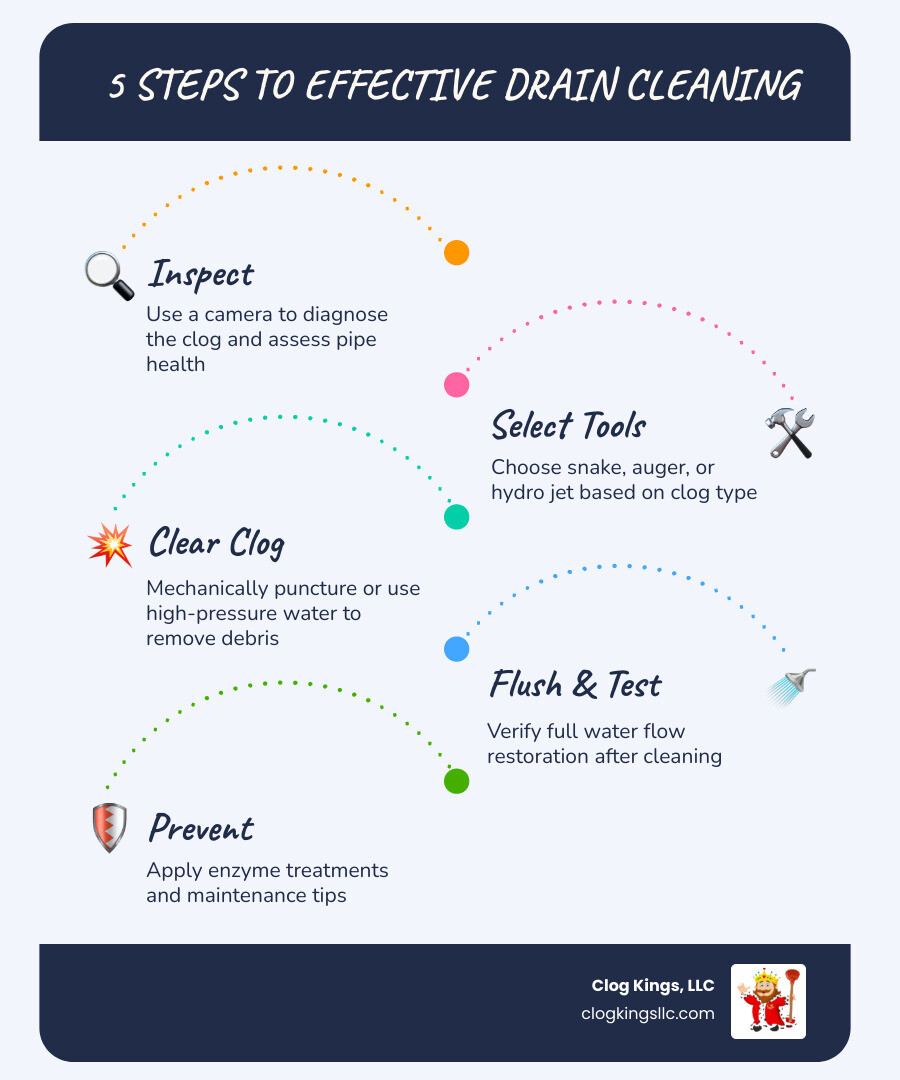
Drain cleaning is the process of removing clogs, buildup, and debris from your home’s pipes to restore proper water flow. Here’s a quick overview of how it works:
- Inspect the drain with a camera to find the cause
- Choose the right tool (snake, auger, or hydro jet)
- Clear the clog mechanically or with high-pressure water
- Flush and test to confirm full flow is restored
- Prevent future clogs with maintenance tips or enzyme treatments
A slow drain might seem like a small annoyance. But in many Florida homes, it’s an early warning sign of a bigger problem lurking inside your pipes.
Grease builds up. Hair clumps together. Tree roots creep in. And before you know it, you’re dealing with a full backup, water damage, or a repair bill that could have been avoided.
The good news? Most clogs are preventable — and the ones that aren’t can be fixed quickly with the right tools and the right team.
My name is Joel Denick, and with over 20 years of hands-on experience in drain cleaning and plumbing, I’ve seen how the right approach can save homeowners hundreds — sometimes thousands — of dollars. In this guide, I’ll walk you through exactly how professional drain cleaning works and what you can do to protect your home.
Identifying the Root Cause of Your Clogged Drains
Before we can fix a problem, we have to know what we’re up against. In the sandy soils of Pasco and Pinellas Counties, the “usual suspects” for a clog can vary from a simple hairball to something much more sinister deep underground.
Common household culprits include:
- Hair and Soap Scum: The dynamic duo of bathroom clogs. Hair binds with sticky soap residue to create a waterproof mat.
- Food Particles and Grease: In the kitchen, fats, oils, and grease (FOG) cool down and solidify inside your pipes, acting like glue for coffee grounds and pasta scraps.
- Mineral Buildup: Florida’s water is notorious for being “hard.” Over time, calcium and magnesium create scale that narrows the diameter of your pipes.
- Foreign Objects: We’ve seen everything from “flushable” wipes (which aren’t actually flushable) to small toys.
Recognizing the five-common-signs-of-a-blocked-plumbing-drain is the first step in preventing a total system shutdown. If you notice water pooling around your feet in the shower or a kitchen sink that takes ten minutes to empty, you’re already in the “danger zone.”

Localized Clog vs. Main Sewer Line Backup
It is vital to distinguish between a simple sink clog and a main line disaster. Dealing with one is a DIY-friendly task; the other requires an emergency call to us.
| Symptom | Localized Drain Clog | Main Sewer Line Backup |
|---|---|---|
| Affected Fixtures | Only one (e.g., just the kitchen sink) | Multiple fixtures (toilets, tubs, and sinks) |
| Water Behavior | Slow draining in that specific spot | Water backs up into the tub when you flush the toilet |
| Noises | Occasional glug-glug | Constant gurgling from floor drains or toilets |
| Odors | Smells like old food or hair | Distinct “rotten egg” or sewage smell |
| External Signs | None | Soggy patches or lush green grass in the yard |
Signs of a Main Sewer Line Issue
If you live in an older home in St. Petersburg or Tampa, your main line is likely made of cast iron or clay. These materials are prone to cracking, which invites thirsty tree roots to move in. When the main line is compromised, you’ll notice multiple backups and gurgling toilets throughout the house. This is why why-pinellas-county-homeowners-should-never-ignore-slow-drains—a slow drain today could be a sewage flood tomorrow.
The 5 Steps to Effective Drain Cleaning
When we arrive at a home in Hillsborough or Manatee County, we don’t just start guessing. We follow a rigorous 5-step process to ensure the Drain Cleaning is done right the first time.
Step 1: Visual Inspection and Diagnosis
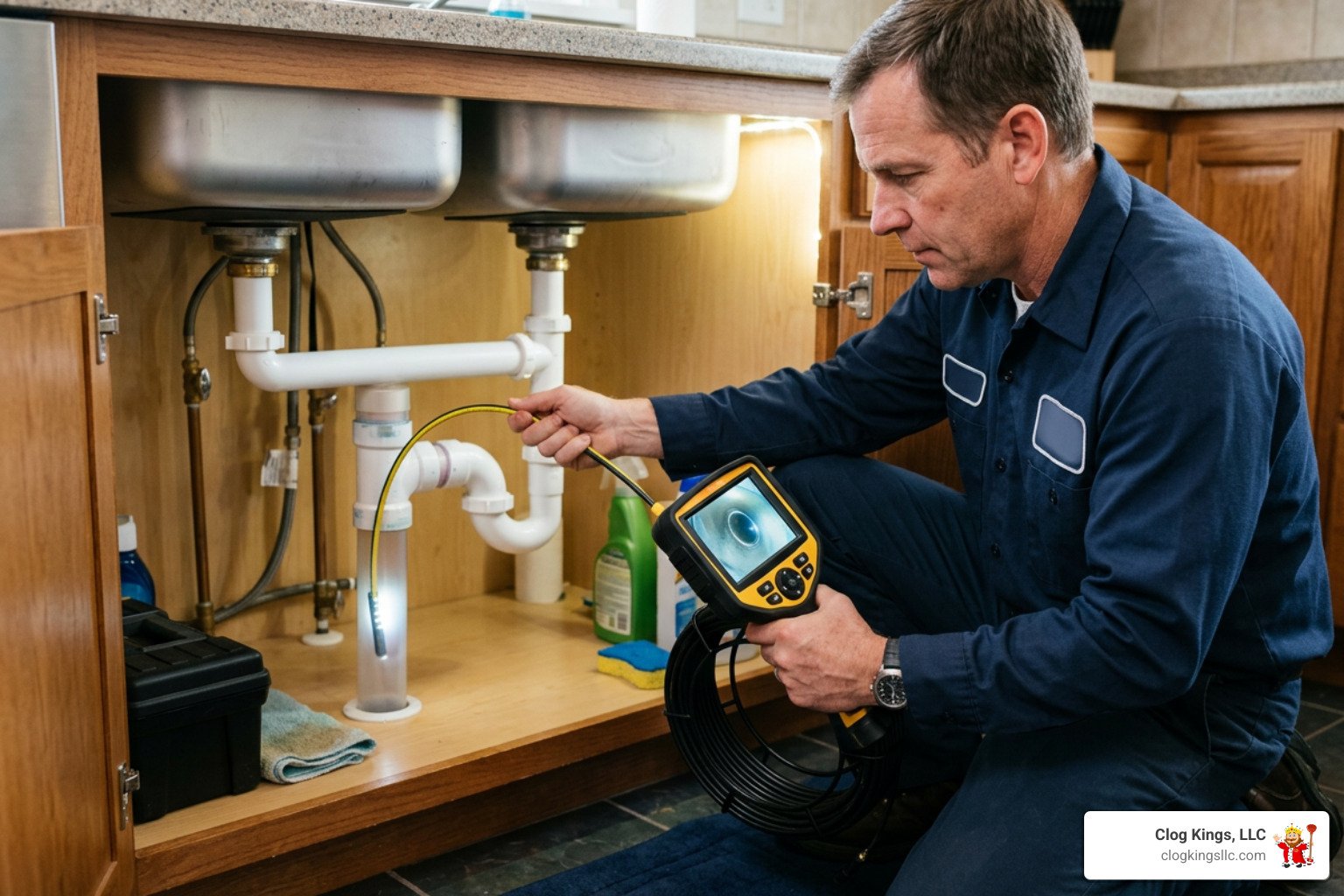
The days of “poke it and hope” are over. We use high-definition waterproof video cameras to travel deep into your plumbing. This allows us to see the exact health of your pipes and locate the blockage. Is it a solid mass of grease? Is the pipe collapsed? Or are tree roots the culprit?
Identifying the top-7-signs-your-drain-needs-professional-cleaning-before-its-too-late during this phase helps us determine if we need a simple snake or a full hydro jetting session.
Step 2: Selecting the Right Drain Cleaning Tools
Not every clog is created equal. A toilet obstruction might only need a closet auger with protective tubing to prevent scratching the porcelain. However, for a main line blocked by roots, we reach for motorized snakes or industrial hydro jetters.
We often discuss the benefits-of-high-pressure-drain-cleaning with our clients because it doesn’t just poke a hole in the clog—it scrubs the pipe walls clean. You can learn more about these specialized tools in our category/hydro-jetting section.
Step 3: Mechanical Clearing or Snaking
For many standard clogs, a professional drain snake (or “auger”) is the go-to. Unlike the flimsy versions you might find at a hardware store, our motorized units have the torque to puncture through tough obstructions and even shave down small tree roots.
If you’ve ever thought, “I have a clogged-drain-no-problem,” remember that snaking is often just the “clearing” phase—it opens the flow, but it might leave residue behind that causes the clog to reform.
Step 4: High-Pressure Hydro Jetting
This is where the real magic happens. Hydro jetting uses water pressurized up to 4,000 PSI to blast through grease, emulsify sludge, and pulverize tree roots. It’s like a pressure washer for the inside of your pipes.
We often say that mill-and-jetting-your-drains-best-friends because the “mill” (mechanical cutter) removes the hard stuff, and the “jet” (water) flushes it all away, leaving the pipe in “like-new” condition.
Step 5: Final Flow Testing and Maintenance
Once the lines are clear, we don’t just pack up and leave. We perform a final flow test, running water through multiple fixtures to ensure the system is breathing properly. We may also recommend enzyme-based cleaners that eat away at organic matter without damaging your pipes. For more local advice, check out pasco-countys-drain-problems-prevention-tips-that-work.
Why Professional Drain Cleaning Outperforms DIY Methods
It’s tempting to grab a bottle of blue liquid from the grocery store and hope for the best. However, DIY Drain Cleaning often creates more problems than it solves.
Professional plumbers use mechanical and water-based methods that are safe for your infrastructure. When you hire a pro, you’re getting a long-term solution rather than a 15-minute “fix” that wears off in a week. Furthermore, professional services like ours are bound by Privacy and protection standards to ensure your home and data are handled with care.
The Risks of Chemical Drain Cleaners
Most store-bought cleaners use sulfuric acid or sodium hydroxide. These chemicals generate intense heat to melt clogs. While that sounds effective, that heat can:
- Soften PVC pipes: Leading to leaks or complete collapses.
- Corrode Metal: Especially in older St. Petersburg homes with cast iron.
- Harm the Environment: These toxins eventually end up in our Florida water table.
- Create Toxic Fumes: Mixing different cleaners can create deadly chlorine gas.
Understanding how-clogged-drains-can-impact-your-pinellas-county-homes-plumbing is key—chemicals are a “band-aid” that can eventually lead to a why-diy-drain-cleaning-could-cost-you-more-in-the-long-run scenario where you have to replace the entire pipe.
Long-Term Prevention and Maintenance Strategies
The best way to deal with a clog is to never have one in the first place. A little bit of mindfulness goes a long way in keeping your Manatee County home healthy.
- Use Drain Strainers: These $5 plastic or mesh inserts catch hair and food scraps before they enter the system.
- Dispose of Grease Properly: Never pour bacon grease or cooking oil down the sink. Let it cool in a can and throw it in the trash.
- Hot Water Flush: Once a week, pour a gallon of boiling water down your kitchen sink to help melt away minor grease buildup.
- Baking Soda and Vinegar: A monthly fizzing session can help deodorize and break up light soap scum.
Regularly practicing these habits is how-regular-drain-cleaning-keeps-your-manatee-county-home-healthy and avoids those midnight plumbing emergencies.
How Often Should You Schedule Drain Cleaning?
For most modern homes, a professional Drain Cleaning every 18 to 24 months is sufficient. However, if you live in a historic home in Tampa or have large oak trees with aggressive roots, an annual check-up is a smarter investment. You can find more details on timing here: how-often-should-you-schedule-a-drain-cleaning.
Frequently Asked Questions about Drain Cleaning
Is hydro jetting safe for older Florida pipes?
Yes, but with a caveat. We always perform a video inspection first. If the pipe is structurally sound but just full of scale and grease, we adjust the pressure to safely scour the walls. If the pipe is crumbling, we may recommend a different approach. The benefits-of-regular-sewer-and-drain-cleaning far outweigh the risks when handled by a licensed professional.
Why do my drains smell like rotten eggs?
This is usually caused by trapped organic matter (like hair and food) rotting in the P-trap, or a “dry” trap in a guest bathroom that hasn’t been used in a while. In some cases, it’s a sign that sewer gases are backing up through the vent stack. Our professional-drain-cleaning-service-for-odors can pinpoint the source and eliminate the “stink” for good.
Can tree roots be removed without digging?
Absolutely! This is one of the biggest advancements in plumbing. Using specialized mechanical blades or hydro jetting, we can shave roots down to the pipe wall. While the roots will eventually grow back, regular maintenance can keep them at bay for years without ever touching a shovel. This is a major reason why-pinellas-county-homeowners-need-regular-drain-cleaning-services.
Conclusion
At Clog Kings, LLC, we believe that a clear drain is the foundation of a happy home. Whether you are dealing with a stubborn kitchen sink in Tampa or a major sewer backup in St. Petersburg, our team is ready to help. We offer 24/7 emergency services across Pasco, Pinellas, Hillsborough, and Manatee Counties because we know that plumbing disasters don’t wait for business hours.
Don’t let a small clog turn into a major catastrophe. From video inspections to high-pressure hydro jetting, we have the tools and the expertise to keep your pipes flowing freely.
