

The High-Density Risk Profile
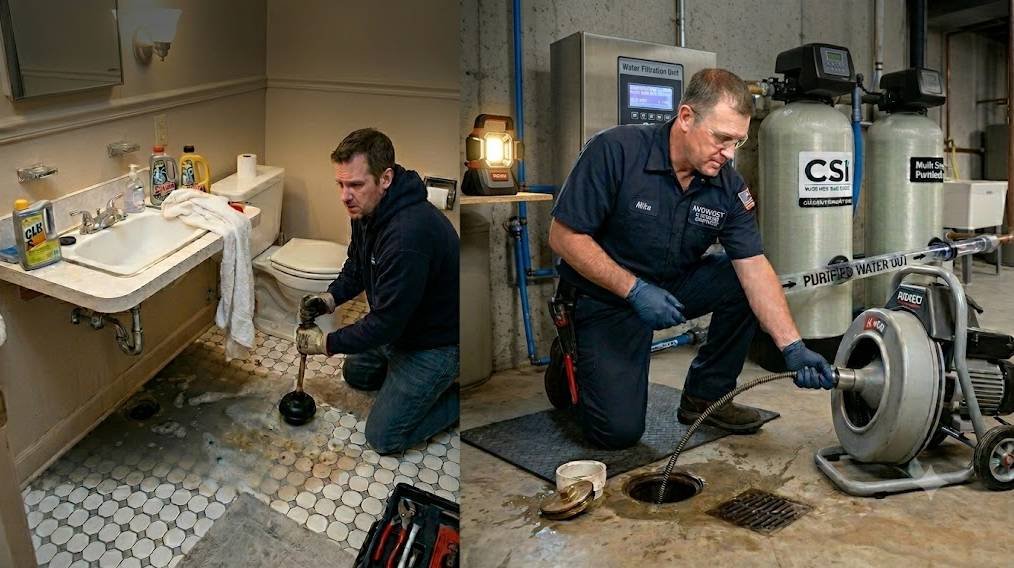
Managing multi-family residential assets in St. Petersburg presents a unique set of infrastructure challenges. Unlike single-family rental homes, a plumbing failure inside a multi-unit property impacts multiple tenants simultaneously. A single main line block on the third floor can cause immediate greywater backflow into lower-level units, turning a minor fixture issue into a multi-unit disaster involving lost rent, emergency relocation costs, and expensive tenant insurance claims.
Adding to these operational risks is St. Petersburg’s coastal environment. High humidity, brackish groundwater tables, and aging municipal connections throughout downtown St. Pete and Historic Kenwood require property managers to take a proactive approach to multi-unit plumbing maintenance. Waiting for a tenant to report a ceiling leak or a completely backed-up floor drain is a guaranteed way to erode net operating income (NOI). This comprehensive management blueprint equips Pinellas County landlords with the technical strategies needed to preserve structural equity, protect tenant satisfaction, and maintain long-term property profitability.
Structural Mechanics of Multi-Unit Systems
To effectively manage a multi-family property, property owners and asset managers must understand how shared plumbing networks distribute water and manage waste across common walls.
The Multi-Tenant Supply & Waste Matrix
Multi-unit structures rely on shared utility pathways that distribute high water volumes under constant pressure:
Vertical Main Risers: Heavy supply trunks transport potable water upward through the building core, feeding branch lines on each floor. In older Pinellas properties, these risers are often made of aging galvanized steel or uninsulated copper susceptible to pinhole leaks.
Horizontal Branch Lines: These lines branch off the central riser to supply individual kitchens, bathrooms, and laundry facilities. Inadequate branch sizing leads to sudden pressure drops when multiple tenants use water simultaneously.
Soil and Waste Stacks: Vertical drainage stacks collect wastewater from upper-level fixtures and drop it via gravity to the main building drain beneath the ground slab.
[Main Municipal Water Entry] ──> [Master Backflow Preventer] ──> [Central Vertical Supply Riser]
                                                                            │
[Individual Tenant Outlets] <── [Individual Branch Isolation Valves] <───────┘
CRITICAL LANDLORD OPERATIONAL NOTE
Eliminate Single-Point Failures: The most common mistake in older multi-unit buildings is a lack of localized shutoff valves. If repairing a single shower cartridge in Unit 2B requires turning off water to 16 units, your system lacks proper mechanical isolation.
The Solution: Retrofit your supply lines with individual ball valves for each unit’s branch connection. This allows your maintenance team to isolate specific apartments during emergency repairs while keeping the rest of the building’s water supply running normally.
Preventing Tenant-Induced Line Failures
While mechanical wear is inevitable, tenant behavior causes the majority of unexpected commercial line blockages. High tenant turnover rates, lack of property care, and improper waste disposal frequently choke shared drainage stacks.
Protecting Shared Drainage Stacks
When multiple kitchens and bathrooms drain into a single vertical stack, an obstruction at the base creates an immediate backpressure event for ground-floor tenants:
Grease Trap & Disposal Inspections: In units with garbage disposals, cooking fats and food solids combine with hard water minerals to form dense obstructions. Inspect disposal units during turnover periods and consider removing them in high-turnover properties to protect main drain lines.
The “Flushable” Wipe Epidemic: Synthetic wet wipes do not break down in main sewer lines. They catch on internal pipe scale, forming massive blockages that cause raw sewage to back up into ground-floor shower pans.
Enforceable Lease Addendums: Protect your asset by including a detailed “Plumbing Care & Use Addendum” in every lease agreement. Specify that if a professional camera inspection confirms a blockage was caused by banned items (wipes, feminine products, grease), the cost of the emergency drain cleaning is billed directly to the tenant.
Test static line pressure and run high-volume drainage checks on all sinks, tubs, and toilets prior to releasing keys to a new tenant.
Review forbidden disposal items explicitly during lease signing, setting clear expectations regarding financial liability for non-standard pipe blockages.
Schedule routine mechanical drain scouring on ground-floor main lines to remove accumulated grease and scale before total line blockages occur.
Financial Metrics & Utility Recovery
Water and sewer utilities represent one of the largest unmonitored operating expenses for multi-family property owners. Unaddressed leaks and inefficient fixtures steadily erode monthly rental yields.
The following data matrix compares the financial impact of reactive maintenance against a structured preventative plumbing program:
| Maintenance Approach | Average Annual Cost (per unit) | Risk Profile | Long-Term Operational Impact |
| Reactive / Emergency Only | $1,200 – $2,800+ | High Risk: High emergency call-out fees, unallocated water loss, tenant lease terminations. | Accelerated asset devaluation, frequent insurance claims, high tenant turnover. |
| Proactive / Scheduled Program | $300 – $600 | Low Risk: Controlled repair budgets, predictable maintenance windows, extended pipe lifespan. | Maximized net operating income (NOI), protected property values, stable tenant retention. |
Maximizing ROI with Sub-Metering
In master-metered multi-family properties, tenants have no financial incentive to conserve water or report minor leaks. Installing individual sub-meters or implementing a RuBS (Ratio Utility Billing System) transfers utility costs directly to users. Sub-metering typically reduces property water consumption by 15% to 35% almost immediately, as tenants quickly report running toilets and dripping faucets once they are responsible for the bill.
Pinellas County Code & Environmental Factors
Operating residential rental properties in St. Petersburg requires strict compliance with local utility regulations and environmental rules.
Annual Backflow Certification: Pinellas County and the City of St. Petersburg enforce strict backflow prevention requirements on multi-family and commercial properties. Backflow assemblies must undergo annual testing by a certified technician to prevent contaminated water from siphoning back into the public water supply.
Sub-Slab Soil Movement: St. Pete’s sandy soil and shifting water tables strain buried sub-slab drainage lines. Older cast iron piping beneath the foundation is vulnerable to bottom-channel rot, where acidic standing wastewater corrodes the bottom of the pipe and leads to structural soil collapse.
Hard Water Scale Accumulation: Central Florida’s water supply contains high levels of dissolved calcium and magnesium. Over time, this mineral content creates heavy limescale inside pipes, restricting flow rates and causing water heater heating elements to fail prematurely.
The Multi-Unit Emergency Response Plan
When a major line ruptures in a multi-unit asset, every minute of delay increases structural damage and financial liability. Every property management team should maintain an accessible emergency response protocol:
Central Shutoff Documentation: Ensure all property managers, maintenance technicians, and on-site staff know the exact locations of master water shutoff valves and individual riser controls.
Emergency Vendor Agreements: Maintain active service agreements with licensed commercial plumbing contractors who offer 24/7 priority emergency response for multi-family properties.
Tenant Communication Templates: Prepare digital templates for rapid tenant notification regarding emergency water shutoffs, expected restoration windows, and safety instructions.
Insurance Claim Logging: Document all water damage immediately with high-resolution, timestamped photos and detailed service receipts to streamline commercial property insurance claims.
Protect Your Portfolio’s Bottom Line
In multi-family property management, proactive maintenance is always significantly cheaper than emergency restoration.
A single unaddressed leak or neglected drain line can destroy thousands of dollars in property value and damage tenant relations. By implementing a structured multi-unit maintenance plan, retrofitting key isolation valves, and partnering with experienced commercial technicians, Pinellas County landlords can safeguard their investments and ensure steady operational cash flow.
Keep your multi-family properties safe, compliant, and profitable.
