
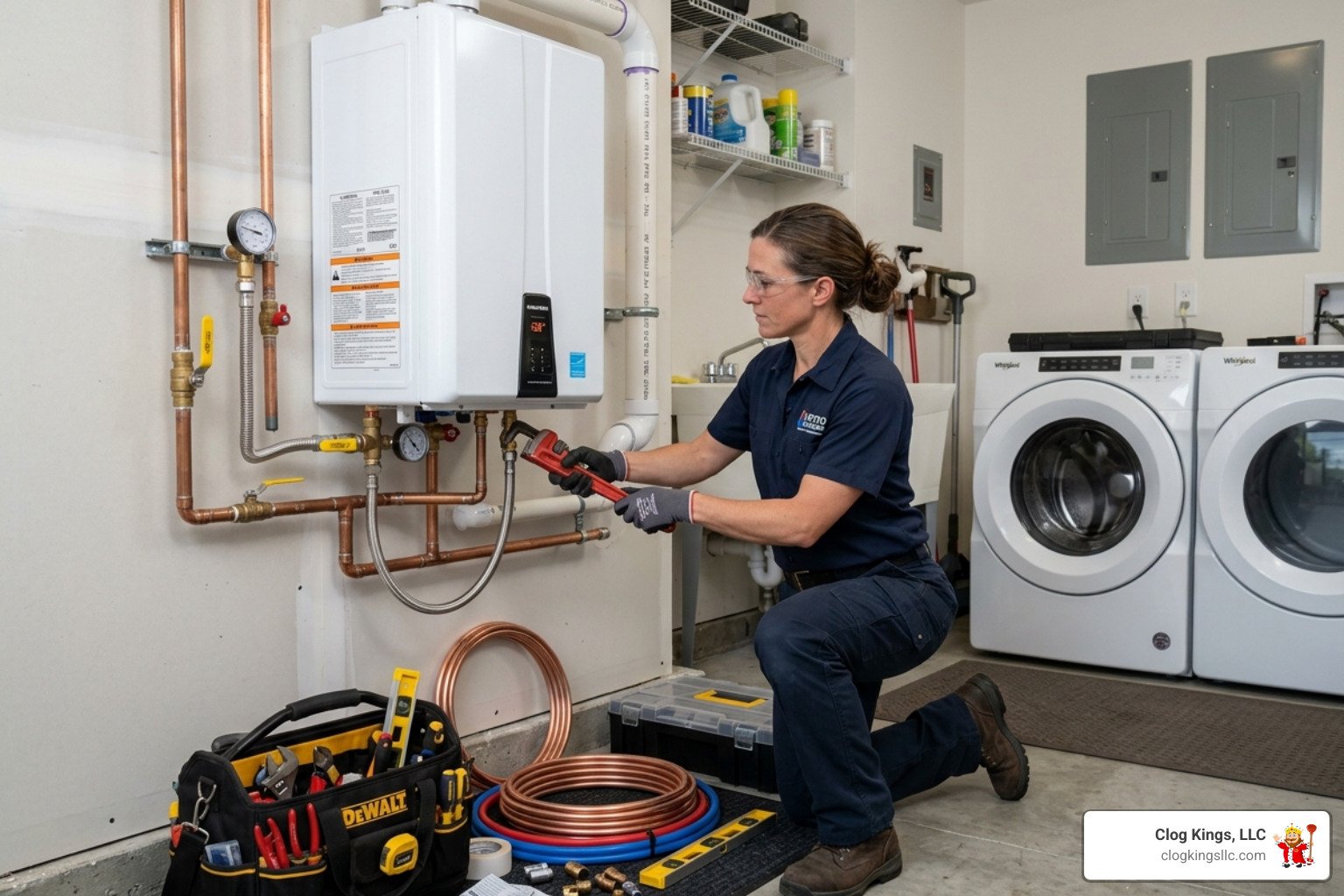

What Are the Costs of Water Heaters in 2026?
The costs of water heaters in 2026 typically fall between $882 and $1,814 for most homeowners, with a national average of around $1,337 including installation.
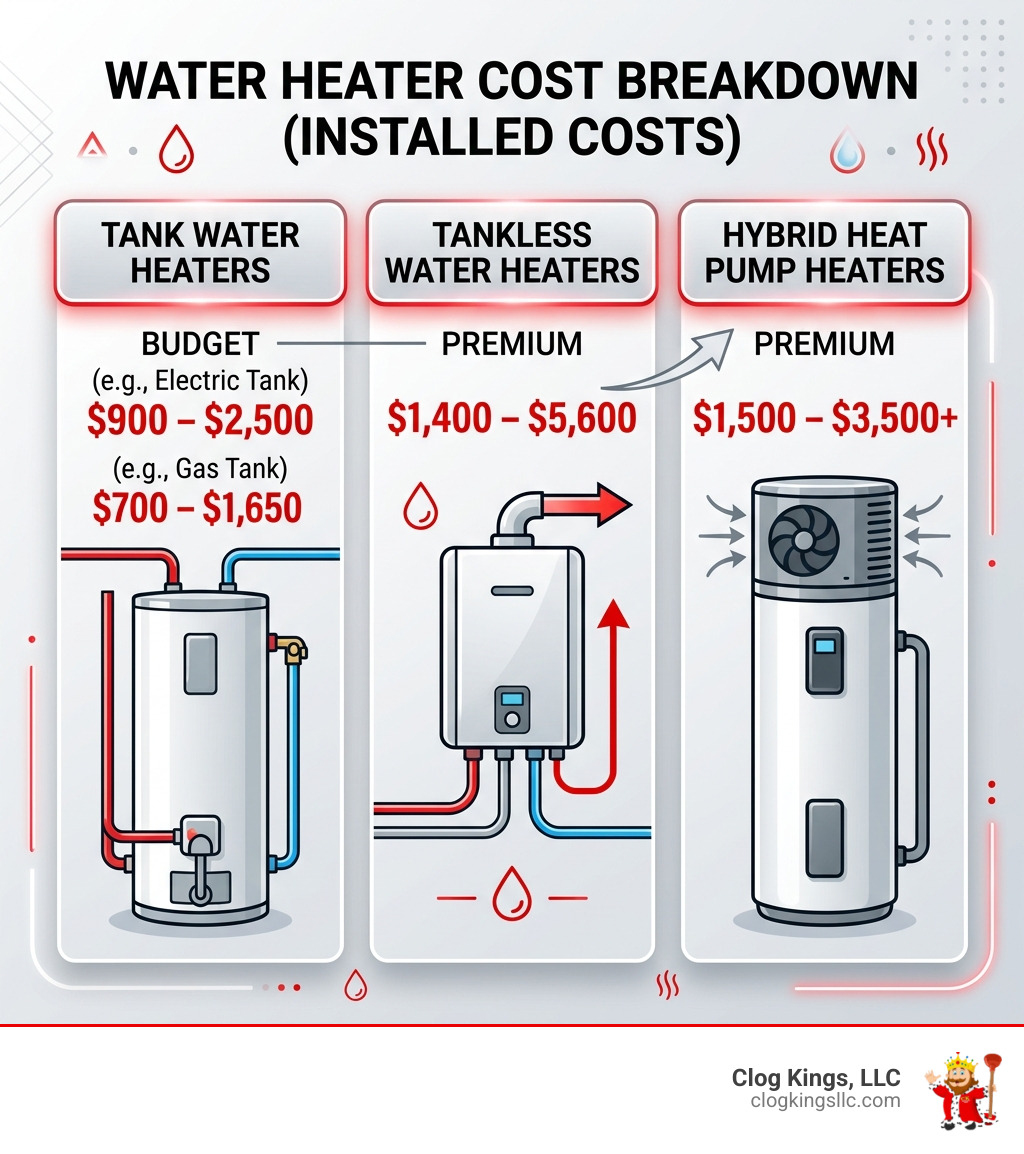
Here’s a quick breakdown to help you compare at a glance:
| Water Heater Type | Unit Cost | Installed Cost |
|---|---|---|
| Electric tank (40-50 gal) | $550–$1,200 | $900–$2,500 |
| Gas tank (40-50 gal) | $600–$1,500 | $700–$1,650 |
| Tankless (electric or gas) | $1,200–$3,600 | $1,400–$5,600 |
| Hybrid heat pump | $1,200–$3,500 | $1,500–$3,500+ |
These numbers shift based on your fuel type, tank size, labor rates in your area, and whether any upgrades — like new gas lines or electrical panels — are needed. A straightforward tank swap runs much cheaper than converting from tank to tankless.
As one plumbing guide puts it bluntly: “Replacing a water heater is predictable — it will happen eventually, and it rarely gives much warning.” Knowing the real numbers ahead of time puts you in control.
I’m Joey Denick, and with over 20 years in the plumbing industry, I’ve seen how the costs of water heaters catch homeowners off guard when they least expect it. Let me walk you through everything you need to budget for before you call a pro.
Understanding the Total Costs of Water Heaters in 2026
When we talk about the costs of water heaters, it is easy to get tunnel vision and only look at the price tag on the box at the big-box store. However, the unit itself is often only half the story. In 2026, the total replacement cost is a cocktail of the unit price, labor expenses, permit fees, and disposal costs.
For most residents in Pasco, Manatee, Pinellas, and Hillsborough Counties, the normal range for a standard replacement sits between $882 and $1,814. If you are looking at more complex setups, such as moving a unit from a cramped closet to the garage or upgrading to high-efficiency technology, those prices can climb.
Labor is a significant driver here, typically accounting for about 50% of the total bill. Professional plumbers in the Tampa Bay area generally charge between $45 and $200 per hour depending on the complexity of the job. If you want to dive deeper into the specifics of the process, you can check out our guide on water heater replacement.
Fuel source also plays a massive role. Electric units are often the most budget-friendly upfront, while gas and propane models carry a higher initial price but often boast lower monthly operating costs. Then there are the “Wyvern-fighting” prices—the premium hybrid heat pumps and solar-ready units that cost more now but pay for themselves through massive energy savings and tax incentives.
Comparing the Costs of Water Heaters: Tank vs. Tankless
The age-old debate in Florida homes: do you stick with the classic tank or make the jump to tankless?
Storage Tank Units ($650 to $2,500 installed): These are the workhorses of the American home. They keep 30 to 80 gallons of water hot and ready at all times. They are generally the most affordable to install, especially if you are doing a “like-for-like” swap. However, they suffer from “standby heat loss”—energy wasted keeping water hot while you’re asleep or at work.
Tankless Units ($1,200 to $6,000 premium range): Tankless heaters provide on-demand heating. They don’t store water; they flash-heat it as it flows through a heat exchanger. While the tankless water heater installation cost is higher due to specialized venting and potentially larger gas lines, the benefits are significant. According to scientific research on tankless energy efficiency, these units can be 24% to 34% more energy-efficient for homes using 41 gallons or less of hot water daily.
When choosing, you must consider the “flow rate” measured in Gallons Per Minute (GPM). A small apartment might only need 3 GPM, but a large home in St. Petersburg with three bathrooms and a high-efficiency washing machine might require a unit capable of 7-10 GPM to ensure no one gets a “cold water sandwich” mid-shower.
Operational Costs of Water Heaters and Energy Savings
Budgeting for a water heater isn’t just about the day you buy it; it’s about the next 10 to 20 years of utility bills. This is where Energy Star certification becomes your best friend.
One of the most exciting developments for 2026 is the continuation of incentives from the Inflation Reduction Act. If you opt for a hybrid heat pump water heater, you may qualify for a 30% federal tax credit up to $2,000. These units are incredibly efficient because they move heat from the air into the water rather than creating heat from scratch.
To see what’s available in your specific zip code, you can use the A. O. Smith Rebate and Product Selector Tool to find local utility rebates that can be stacked with federal credits. In many cases, these incentives can bring the net cost of a premium, high-efficiency unit down to the price of a standard model, offering a much faster long-term ROI.
Key Factors Influencing Your Replacement Budget
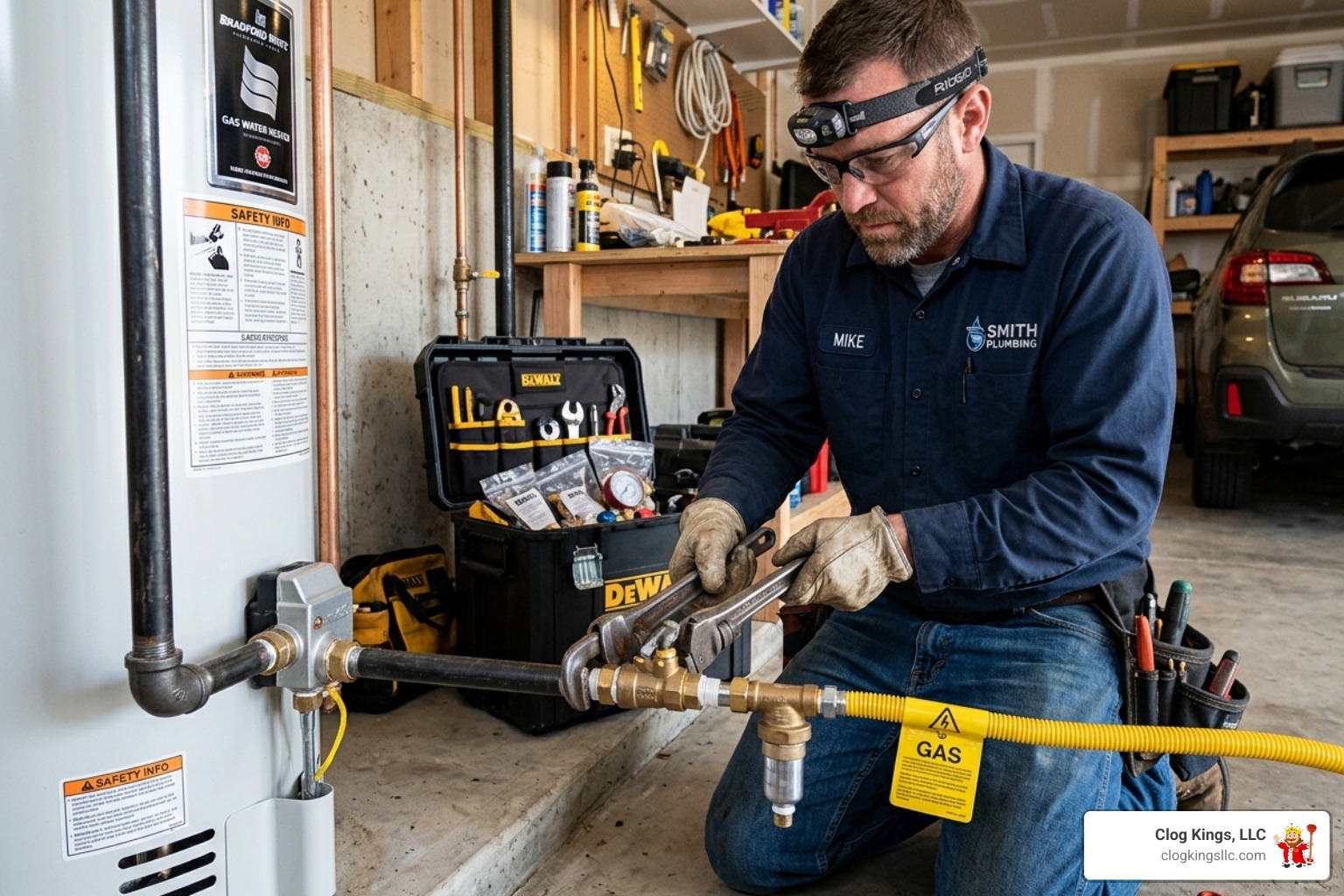
Beyond the type of heater, several logistical factors will dictate where your final quote lands:
- Gallon Capacity: A 30-gallon tank for a single person is significantly cheaper than an 80-gallon tank designed for a family of six. Most 4-person households in the Tampa area find the “sweet spot” with a 50-gallon unit.
- Fuel Conversion Costs: This is where the budget can spiral. Switching from electric to gas requires running new gas lines, which can cost between $260 and $1,500. Switching from gas to electric might require an electrical panel upgrade if your home doesn’t have the 30-50 amp circuit required for a large electric heater.
- Venting Upgrades: Modern high-efficiency gas units often require “power-venting” or specialized PVC vents rather than the old-school metal chimneys. This can add $300 to $600 to your labor and material costs.
- Smart Technology: We are seeing more homeowners opt for smart water heaters: the benefits include leak detection alerts sent to your phone and the ability to set “vacation modes” to save energy while you’re away. While these units cost $100–$300 more, the peace of mind regarding flood prevention is often worth it.
Labor, Permits, and Hidden Installation Fees
We always tell our customers: “The cheapest plumber is often the most expensive one you’ll ever hire.” Quality labor ensures your house doesn’t flood or, in the case of gas units, fill with carbon monoxide.
Labor Rates: Expect to pay for 2 to 6 hours of labor for a standard install. At $45 to $200 per hour, this usually lands between $150 and $450 for tanks and up to $1,900 for complex tankless conversions.
Permits: Most municipalities in Pinellas and Hillsborough Counties require a permit for water heater replacement. These fees range from $25 to $300. Skipping a permit might save a few bucks now, but it can void your homeowner’s insurance or cause major headaches when you try to sell your home.
Expansion Tanks: In many local jurisdictions, code now requires an expansion tank. This small tank (costing $90 to $350 installed) handles the thermal expansion of water as it heats up, protecting your pipes from bursting.
Disposal: Your old water heater doesn’t just vanish. Most pros charge a $100 to $500 removal and disposal fee to haul the old, heavy, sediment-filled tank to the proper recycling facility. When you hire professional water heater replacements, this is usually bundled into the quote, but it’s always good to ask.
Signs It’s Time to Replace Your Unit
Ideally, you want to replace your unit on your schedule, not when it decides to turn your garage into a swimming pool at 3:00 AM on a Sunday. Most tank-style heaters have a lifespan of 10-15 years, while tankless models can push past 20.
Watch out for these red flags:
- Rusty Water: If your hot water looks like tea but the cold water is clear, your tank is likely corroding from the inside out.
- Metallic Taste or Smell: This indicates the sacrificial anode rod has failed and the tank itself is starting to break down.
- Weird Noises: If your heater sounds like it’s popping popcorn or rumbling, you likely have heavy sediment buildup. You can learn more about this in our article: Why is my water heater making weird noises?.
- Frequent Repairs: If you’ve replaced the heating element twice in two years, you’re throwing good money after bad.
- Rising Utility Bills: As units age and scale builds up, they have to work harder (and use more energy) to heat the same amount of water.
If you are experiencing any of these broken water heater symptoms, it is time to start getting quotes.
Frequently Asked Questions about Water Heater Costs
How much does it cost to replace a 50-gallon water heater?
For a standard 50-gallon tank, which is the most common size for Florida families:
- Gas: Expect to pay between $1,100 and $1,800 installed.
- Electric: Usually ranges from $900 to $1,500 installed. This price typically covers the unit, basic plumbing connections, labor, and the permit. If you need a new expansion tank or a drain pan (highly recommended!), add another $150–$300.
Is it cheaper to repair or replace a water heater?
The average repair cost is around $201, usually for things like a failed thermocouple or a bad heating element. We generally recommend the “50% Rule”: if the repair cost is more than 50% of the price of a new unit, or if the unit is over 8 years old, replacement is usually the smarter financial move.
Tank leaks are the “game over” signal. If the actual tank is leaking, it cannot be repaired. To understand the difference between a loose valve and a fatal tank crack, see water heater leaks: what you need to know.
Can I install a water heater myself to save money?
We strongly advise against it. While it might look like just a few pipes, the risks are high. Do not DIY hot water heater installation because:
- Safety: Gas leaks and carbon monoxide poisoning are lethal.
- Insurance: Many insurance companies will deny a water damage claim if the unit wasn’t installed by a licensed professional.
- Warranties: Most manufacturers void the warranty if the unit isn’t installed by a pro.
- Code Compliance: If you don’t pull the right permits or follow local codes (like proper earthquake strapping or venting), you’ll face fines or issues during a home inspection.
Conclusion
Navigating the costs of water heaters doesn’t have to be a nightmare. Whether you are looking for a budget-friendly electric tank or a high-performance tankless system, understanding the variables—from permits to GPM requirements—puts you in the driver’s seat.
At Clog Kings LLC, we pride ourselves on transparency and expertise. We provide 24/7 local service across Pasco, Manatee, Pinellas, and Hillsborough Counties. Our licensed plumbers offer upfront pricing so you’re never surprised by “hidden” fees. Whether you’re in Tampa, St. Petersburg, or the surrounding areas, we’re here to ensure your home stays “toasty” without breaking the bank.
Ready for a stress-free installation? Schedule your professional water heater service with us today and let us handle the heavy lifting!
