

When Your Drains Stop Working: What to Know About Clogged Sewer Line Repair
Clogged sewer line repair is often urgent — and knowing your next step can save you thousands of dollars in damage.
Quick answer: How to address a clogged sewer line
- Stop using water in your home immediately to prevent sewage backup
- Locate your sewer cleanout (a capped pipe near your foundation or in your yard)
- Try a plumbing auger through the cleanout for minor blockages
- Call a licensed plumber if multiple fixtures are backing up, you smell sewage, or DIY fails
- Expect professional methods like hydro jetting, camera inspection, or trenchless repair for serious clogs
All the drains, toilets, and pipes in your home feed into one main line — your sewer lateral. When that line clogs, nothing drains properly. It’s not just one slow sink. It’s your toilet, shower, and kitchen drain all failing at once.
The problem usually builds slowly. Grease coats pipe walls. Tree roots creep through tiny cracks. Old pipes sag and collect debris. Then one day, flushing the toilet sends water up into your bathtub — and you know something is seriously wrong.
The good news? Most clogs are fixable. And catching them early makes the difference between a $300 snaking job and a $10,000 pipe replacement.
I’m Joey Denick, and with over 20 years of hands-on experience diagnosing and repairing clogged sewer lines across Florida, I’ve seen every type of blockage imaginable — from grease-packed cast iron pipes to root-invaded clay lines. In this guide, I’ll walk you through everything you need to know about clogged sewer line repair, from spotting the warning signs to understanding your repair options.
Identifying the Signs of a Main Sewer Line Clog
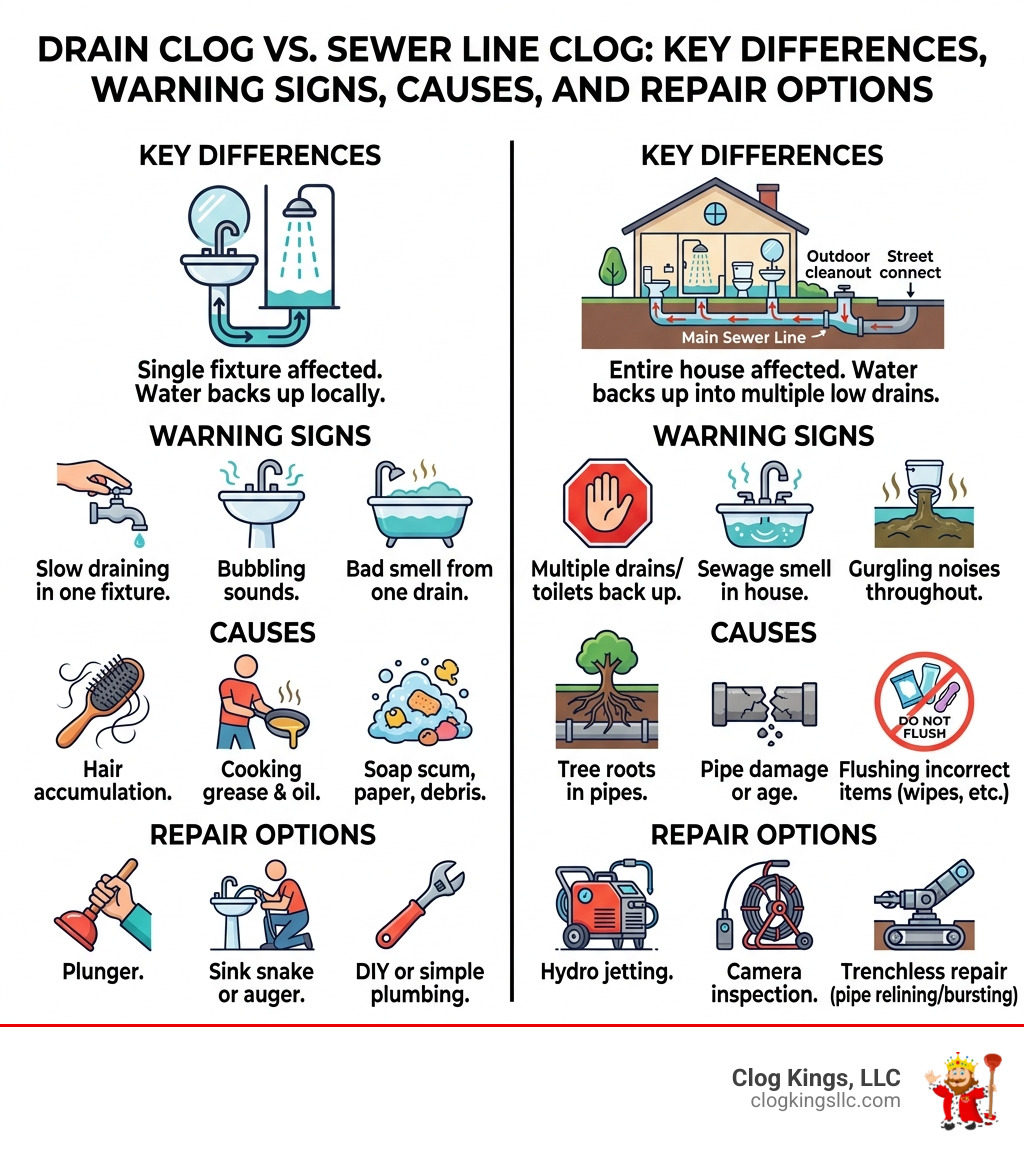
Recognizing the difference between a simple hair clog in your shower and a full-blown main line crisis is the first step in protecting your home. When your main sewer line is blocked, wastewater has nowhere to go. It begins to back up into the lowest points of your home, which are usually your floor drains, bathtubs, or basement showers.
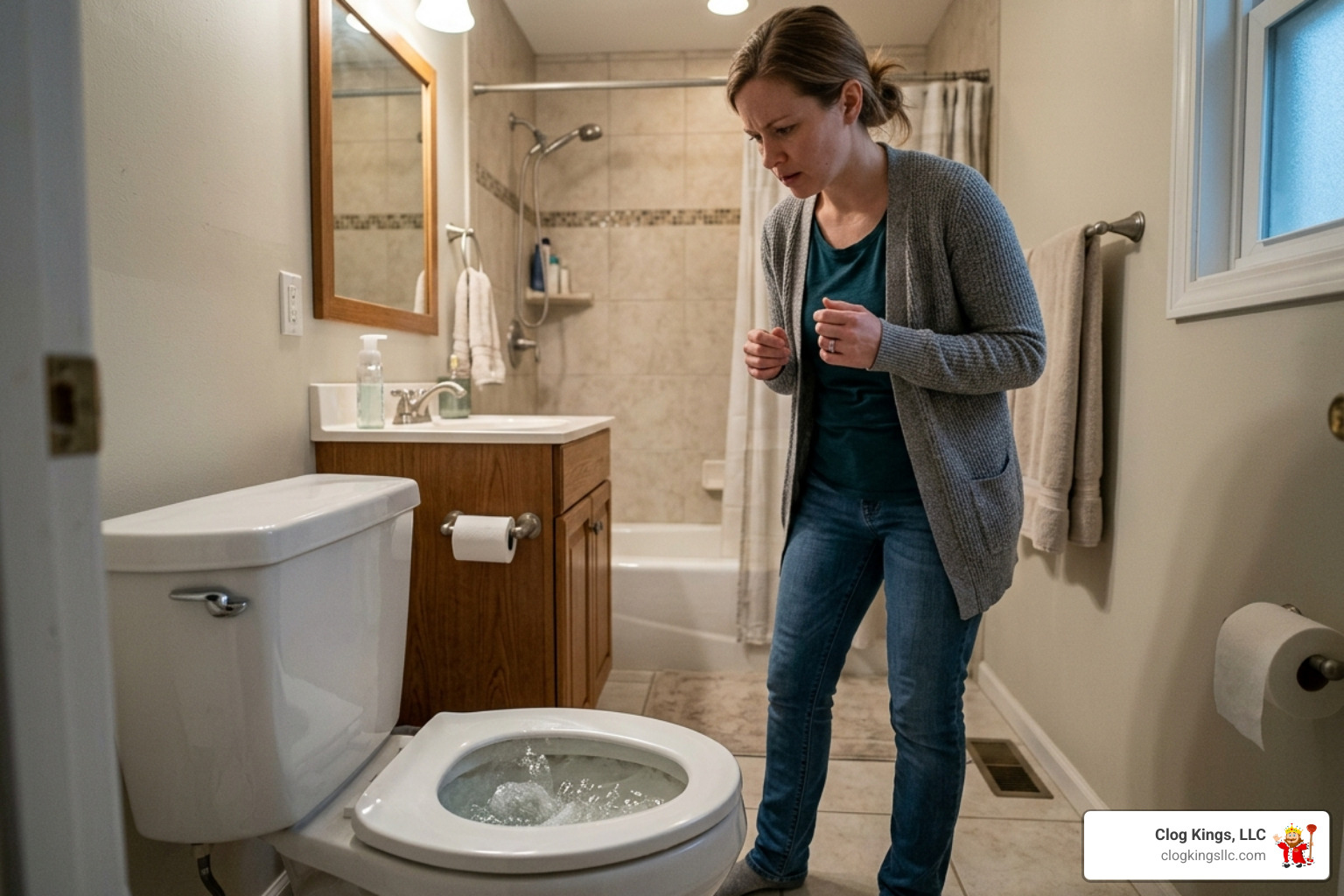
One of the most common “telltale” signs is a gurgling toilet. If you flush the toilet and hear bubbles popping in the nearby shower drain, or if the water level in the bowl fluctuates wildly, air is trapped in the system by a blockage. You might also notice multiple slow drains occurring simultaneously. If your kitchen sink, guest bath, and laundry line are all sluggish, the “trunk” of your plumbing tree is likely the culprit.
Keep an eye out for 3 common signs of a damaged sewer pipe such as persistent sewage odors (that “rotten egg” smell) or soggy, unusually green patches in your yard. If you notice these, you should look into the 5 signs you need a sewer line inspection to catch the issue before it results in a total pipe collapse.
Common Causes of Sewer Blockages
Why do these clogs happen in the first place? In our experience serving Pasco, Pinellas, and Hillsborough counties, the causes usually fall into a few categories:
- Tree Root Intrusion: Roots are naturally drawn to the moisture and nutrients inside your sewer pipes. They can enter through microscopic cracks in older clay or cast iron lines, growing into thick “root balls” that act like a net, catching toilet paper and debris.
- Fats, Oils, and Grease (FOG): Never pour grease down the drain. It might be liquid when it’s hot, but it solidifies into a wax-like substance as it cools, eventually narrowing the pipe’s diameter until nothing can pass through.
- “Flushable” Wipes: Despite the marketing, these do not break down like toilet paper. They are a leading cause of clogged sewer line repair calls today.
- Sagging or “Bellied” Pipes: Over time, soil shifts can cause a section of the pipe to sink. This creates a low spot where waste sits and accumulates, leading to recurring blockages.
- Pipe Scale: Especially in older Florida homes with cast iron, mineral deposits and rust (scale) build up on the inner walls, snagging waste.
To better understand how your home connects to the municipal system, you can watch a video explaining sewer line ownership. Generally, you are responsible for the “lateral” line that runs from your house to the property line.
Differentiating Local Drains from Main Lines
How do you know if you need a simple plunger or a professional clogged sewer line repair? It comes down to fixture isolation.
If only your kitchen sink is slow, the clog is likely “local” to that pipe. However, if using the washing machine causes water to bubble up in the kitchen sink, or if flushing the toilet causes the bathtub to fill with grimy water, you have a main line issue. These common sewer line issues require more than just a bottle of store-bought cleaner; they require a look at the entire system.
Safe DIY Methods for Clogged Sewer Line Repair
If you suspect a clog, the first thing you must do is turn off your main water supply. This prevents more water from entering the system and overflowing into your living space.
Next, locate your sewer cleanout. This is usually a 3-to-4-inch PVC or iron pipe with a screw-on cap located outside your home. Warning: When you unscrew this cap, be prepared to step back. If the line is backed up, pressure may have built up, and wastewater could spill out once the cap is loosened.
For minor clogs caused by simple debris, you can try a few DIY methods:
- Natural Solutions: Pouring a mixture of baking soda and vinegar followed by a hot water flush can sometimes break up light grease or organic buildup. It’s much safer for your pipes than harsh chemicals.
- The Plumbing Auger: You can rent or buy a heavy-duty drain snake. Feed the cable into the cleanout until you feel resistance, then rotate the drum to break through the obstruction. For a visual guide, see this step-by-step guide to using a sewer auger.
Crucial Tip: Before you do any digging in your yard to find a buried pipe, Learn more about calling before you dig by dialing 811. Striking a gas or electric line is a far bigger problem than a clogged drain!
When to Avoid Chemical Drain Cleaners
We strongly advise against using liquid drain cleaners for a main sewer line clog. These products often contain sulfuric acid or lye, which generate intense heat. While they might melt a small hair clog, they can actually cook grease into a hard, soap-like solid.
Furthermore, if your pipes are older cast iron or clay, these chemicals can accelerate corrosion, leading to leaks. They also release toxic fumes that can linger in your home. If you’re wondering how to handle a sewer crisis without getting your hands dirty, the answer is usually mechanical cleaning, not chemical.
Essential Safety Gear and Precautions
Working with sewer lines means dealing with raw sewage, which carries harmful bacteria, viruses, and parasites. Always wear:
- Heavy-duty waterproof gloves
- Eye protection (to prevent splashes)
- Old clothing or a protective coverall
If you are reading this on an old computer and having trouble with the links, consider upgrading to a modern browser to ensure you can see all the safety diagrams and videos correctly.
Professional Solutions for Clogged Sewer Line Repair
When DIY methods fail, or if you are dealing with tree roots or a collapsed pipe, it is time for professional intervention. At Clog Kings, we use a tiered approach to clogged sewer line repair to ensure we solve the root cause, not just the symptom.
The first step is almost always a video inspection of sewer lines. We feed a high-definition, waterproof camera into your pipes to see exactly what is causing the blockage. This eliminates guesswork and allows us to see if the pipe is simply dirty or if it has structural damage.
Professional Cleaning Methods
- Hydro Jetting: This is the “gold standard” for cleaning. A high-pressure water jet uses up to 4,000 PSI to blast away grease, scale, and even small tree roots, scouring the pipe walls clean.
- Mechanical Snaking: For solid obstructions like wipes or toys, a professional-grade power auger with specialized cutting heads can chew through the mess.
- Pipe Descaling: In older cast iron pipes, we use rotating chains to scrape away rust and mineral buildup, restoring the pipe’s original flow capacity.
- Smoke Testing: If we suspect leaks or sewer gas entry into the home, we may perform a smoke test to pinpoint the exact location of the break.
Trenchless Sewer Repair Options
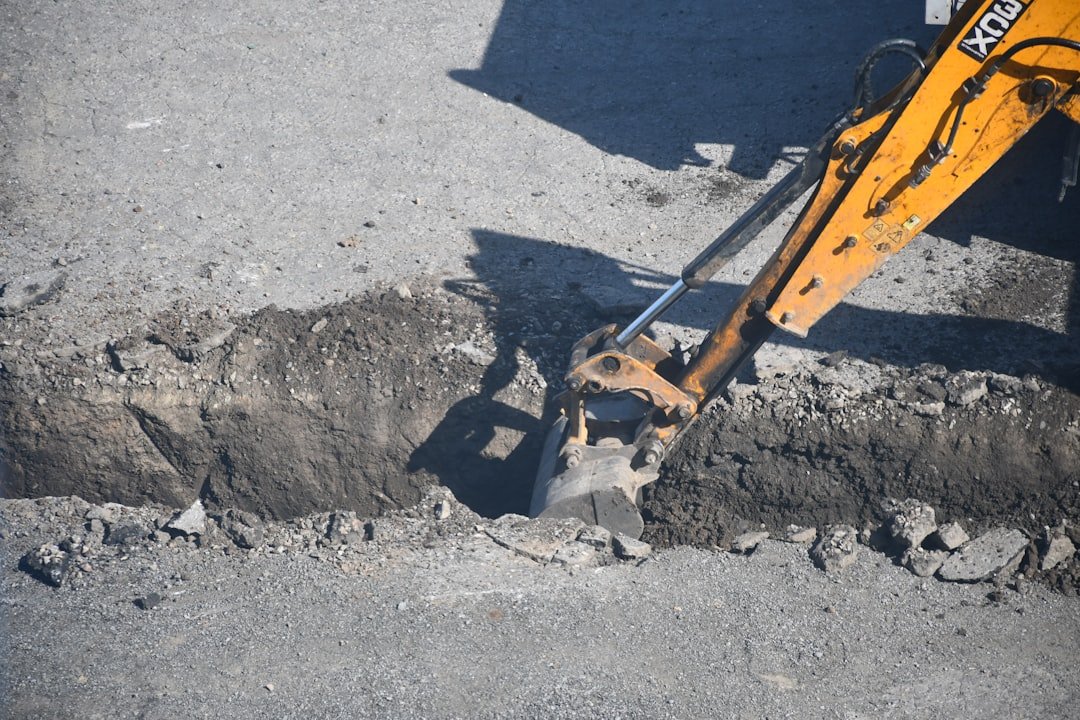
In the past, a broken sewer line meant digging a massive trench through your driveway or landscaping. Today, we offer “no-dig” solutions. All about trenchless pipe lining explains how we can essentially create a brand-new pipe inside your old one.
Cured-in-Place Pipe (CIPP) involves inserting an epoxy-saturated liner into the damaged pipe. Once it cures, it forms a seamless, root-proof wall that can last over 50 years. Another option is pipe bursting, where a new HDPE pipe is pulled through the old one, breaking the old pipe apart as it goes. This is truly the modern solution for aging pipes.
Traditional Sewer Line Replacement
Sometimes, a pipe is too far gone for trenchless methods. If the line has completely collapsed or has severe “bellies” (sags), traditional excavation is necessary. While more invasive, it allows us to regrade the line to ensure proper gravity flow. Whether you are in Pinellas County or surrounding areas, we can help you decide between a sewer replacement or a spot repair.
The Cost and Process of Clogged Sewer Line Repair
Budgeting for plumbing repairs is never fun, but understanding the price ranges helps you make an informed decision.
| Method | Estimated Cost Range | Best For |
|---|---|---|
| Basic Snaking | $150 – $500 | Simple clogs, wipes, minor debris |
| Hydro Jetting | $350 – $800 | Grease, heavy sludge, scale, roots |
| Camera Inspection | $250 – $700 | Diagnosing recurring issues |
| Trenchless Repair | $5,000 – $9,500 | Cracks, root intrusion, structural renewal |
| Full Replacement | $3,000 – $25,000+ | Collapsed pipes, extensive damage |
On average, it costs between $175 and $1,000 to clean out a standard sewer line. If you need a deeper look, a sewer camera inspection costs $700 on average, depending on the complexity of the home’s layout. For more details on our specific sewer repair pricing, we always recommend an on-site evaluation.
Factors Influencing Repair Pricing
Not every clogged sewer line repair is the same. Several factors can drive the price up or down:
- Depth: Pipes buried 10 feet deep cost much more to access than those only 2 feet down.
- Material: Replacing old cast iron or clay often requires more labor than working with modern PVC.
- Accessibility: Is the pipe under a pristine concrete driveway or an open grassy field?
- Location: Permit fees and local regulations vary between Tampa, St. Petersburg, and Bradenton. Deciding when to replace vs. repair is often a financial calculation based on these variables.
Home Warranty and Insurance Coverage
Does your insurance cover this? Standard homeowners insurance often excludes sewer backups unless you have a specific “Sewer Backup Endorsement.” However, many people find protection through a plumbing protection plan. If you don’t have one, you might want to Shop Home Warranties to see if you can get coverage for future main line cleanouts. Some utility companies also offer “service line coverage” for a small monthly fee on your water bill.
Frequently Asked Questions about Sewer Line Maintenance
Can I unclog a main sewer line myself?
While you can use a rental auger for minor soft clogs, we generally advise against DIY for main lines. If you force an auger into a pipe weakened by age or roots, you can actually break the pipe, turning a $300 cleaning into a $5,000 repair. Knowing when to call a professional for sewer repair is vital for preventing property damage.
How often should I clean my sewer line?
For most homes, a professional cleaning isn’t needed every year. However, we recommend a preventative maintenance check every 18 to 24 months. This is especially true in Hillsborough County and other areas with mature oak trees whose roots are constantly seeking water.
What are the risks of ignoring a clog?
Ignoring a slow drain is a recipe for disaster. Constant backups can lead to:
- Foundation Damage: Leaking sewer water can wash away the soil under your slab.
- Mold Growth: Sewage carries moisture that feeds mold behind walls and under floors.
- Health Hazards: Exposure to sewer gas and raw waste is dangerous for children and pets.
- Total Pipe Collapse: A clog is often a sign of a structural weakness that will eventually lead to the need for a full replacement.
Conclusion
At Clog Kings LLC, we know that a sewer emergency doesn’t wait for business hours. That’s why we provide 24/7 emergency service throughout Pasco, Manatee, Pinellas, and Hillsborough Counties. Whether you are dealing with a gurgling toilet in Tampa or a soggy yard in St. Petersburg, our team has the technology and experience to get your life back to normal.
Don’t let a small backup turn into a major renovation. From video inspections to trenchless lining, we have the tools to handle any clogged sewer line repair. More info about drain cleaning and sewer services is just a click away—or give us a call today!
