
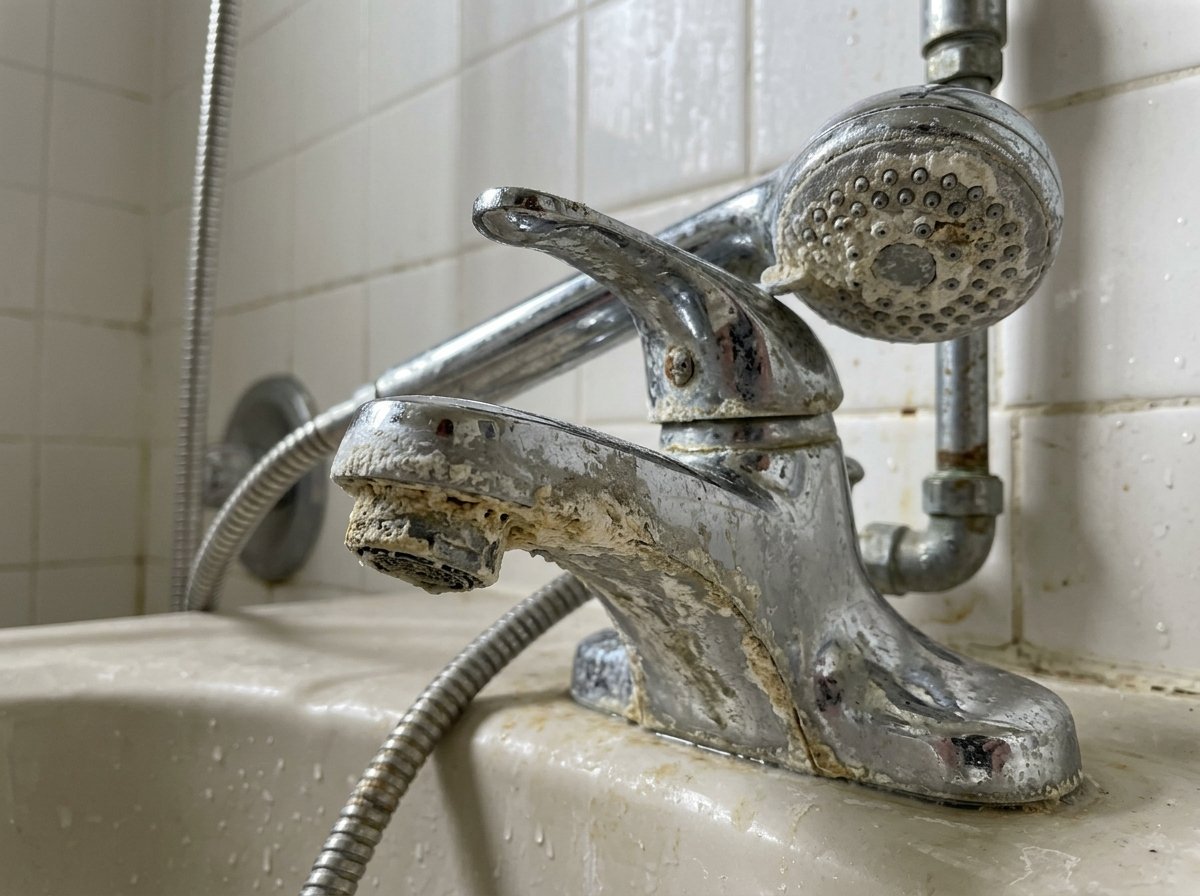

Hard Water Is Damaging Your Home Right Now — Here Are the Best Water Softeners of 2026
The best water softeners 2026 has to offer can stop hard water from silently destroying your pipes, appliances, and fixtures. An estimated 85% of the USA has hard water — and Florida is no exception.
Here is a quick look at the top picks:
| Rank | System | Type | Best For |
|---|---|---|---|
| 1 | SpringWell SS | Salt-based | Best overall — 97.5% hardness reduction |
| 2 | SoftPro Elite | Salt-based | Best efficiency — up to 50% less salt |
| 3 | DROP Smart | Salt-based | Best smart features — app + leak detection |
| 4 | SpringWell FutureSoft | Salt-free | Best salt-free — 99.5% scale reduction claimed |
| 5 | Fleck 5600SXT | Salt-based | Best DIY — plumber-recommended valve |
| 6 | Whirlpool WHES40E | Salt-based | Best for well water and iron removal |
| 7 | On The Go Portable | Salt-based | Best portable — ideal for RVs |
| 8 | Yarna Capacitive | Electronic | Best no-plumbing descaler |
Hard water carries dissolved calcium and magnesium minerals. As water moves through your home, those minerals leave behind scale — the white, chalky buildup you see on faucets, showerheads, and inside water heaters. Over time, that scale clogs pipes, cuts appliance efficiency, and shortens the life of everything water touches.
The damage is not just cosmetic. Scale buildup inside a water heater can increase energy use by up to 25%. Clogged pipes reduce water pressure. Dry skin, spotty dishes, and stiff laundry are everyday reminders that your water is working against you.
The good news? The right water softener solves all of it.
I’m Joey Denick, and with over 20 years of hands-on plumbing experience, I’ve seen what hard water does to Florida homes — and which best water softeners 2026 options actually deliver results. Let’s break down exactly what you need to know before you buy.

Comparing the Best Water Softeners 2026: Salt-Based vs. Salt-Free
When you start shopping for the best water softeners 2026, the first fork in the road is deciding between a salt-based system and a salt-free conditioner. While they both aim to solve “hard water problems,” they do so using completely different science.
Salt-Based Ion Exchange: The Gold Standard
Traditional salt-based systems are the only true “softeners.” They use a process called ion exchange. Inside the tank are millions of tiny resin beads. As hard water flows through, these beads act like magnets, grabbing onto calcium and magnesium ions and swapping them for a tiny amount of sodium or potassium ions.
Once those minerals are removed, the water is chemically soft. This is why your soap lathers better, your hair feels silkier, and your skin loses that “sticky” feeling. Testing on top-tier units like the SpringWell SS has shown a 97.5% reduction in hardness minerals, taking water from a harsh 13.71 GPG (grains per gallon) down to a soft 0.34 GPG.
Salt-Free Conditioners: Scale Prevention
Salt-free systems, like the SpringWell FutureSoft, are technically “water conditioners” or “descalers.” They don’t actually remove the minerals from your water. Instead, they use scientific research on scale-control processes known as Template Assisted Crystallization (TAC).
TAC changes the chemical structure of the minerals so they can’t stick to your pipes or heating elements. They stay suspended in the water and flow harmlessly down the drain. While you won’t get that “slippery” feel of salt-softened water, you get excellent scale protection without the need for salt refills or wastewater discharge.

| Feature | Salt-Based (Ion Exchange) | Salt-Free (Conditioner/TAC) |
|---|---|---|
| Mineral Removal | Yes (Removes Ca & Mg) | No (Neutralizes them) |
| Maintenance | Monthly salt refills | Annual filter changes |
| Water Feel | Slick/Slippery | Natural/Same as tap |
| Waste Water | Yes (During regeneration) | None |
| Best For | High hardness, dry skin/hair | Moderate hardness, eco-conscious |
If you are unsure which path is right for your home, checking out more info about water softener installation can help you visualize how these systems fit into your specific plumbing layout.
Key Factors for Choosing the Best Water Softeners 2026
Choosing a system isn’t just about picking a brand; it’s about matching the specs to your home’s “appetite” for water. Here are the non-negotiables we look for when ranking the best water softeners 2026:
- Grain Capacity: This tells you how much hardness the system can remove before it needs to “recharge” (regenerate). A 32,000-grain unit is usually plenty for a small family, while a 64,000-grain beast is better for large households or extremely hard Florida water.
- Flow Rate: Measured in Gallons Per Minute (GPM). If your flow rate is too low, you’ll notice a drop in water pressure when the shower, dishwasher, and laundry are all running at once. Look for 12-15 GPM for most 3-4 bedroom homes.
- Demand-Initiated Regeneration: Older systems used timers to regenerate every few days, wasting salt and water. The best water softeners 2026 use meters to track your actual water usage and only regenerate when necessary.
- Upflow Design: High-efficiency models like the SoftPro Elite use an upflow design to “swirl” the resin, which can use up to 50% less salt and 30% less water than traditional downflow systems.
We also keep an eye on alternative tech. Latest research on electromagnetic treatment shows that electronic descalers can reduce scale by about 50%. While not as effective as a full tank-based system, they are a great budget-friendly option for renters or small condos.
Why the best water softeners 2026 use 10% crosslink resin
The “engine” of your softener is the resin. Most standard units use 8% crosslink resin. It works fine, but it’s vulnerable to chlorine (which is found in all city water). Over time, chlorine turns 8% resin into “mush,” leading to pressure loss and system failure.
The best water softeners 2026 utilize 10% crosslink resin. This higher-density resin is much more resistant to chemical damage and can last twice as long — up to 20 years in some cases. When you look at our ultimate guide to maintenance, you’ll see that starting with high-quality resin is the best way to ensure long-term performance.
How to identify the best water softeners 2026 for well water
If you are on a private well in Pasco or Manatee County, your water issues likely go beyond just “hardness.” Well water often contains iron (which causes orange stains), manganese (black spots), and sediment.
Standard softeners can handle a little bit of iron, but for high levels, you need a system specifically designed for it. Look for:
- Fine Mesh Resin: This specialized resin has smaller beads that are better at grabbing iron molecules.
- Sediment Pre-filtration: A simple 5-micron pre-filter is essential to keep sand and silt from clogging your expensive softener valve.
- KDF Media: This can help neutralize sulfur odors (that “rotten egg” smell) often found in Florida groundwater.
Investing in these features is crucial for protecting your plumbing in Manatee County where well water can be particularly aggressive on fixtures.
Sizing and Installation Requirements for Your Home
The biggest mistake we see homeowners make is “buying for the price” rather than “buying for the size.” An undersized softener will regenerate too often, wearing out the parts and wasting salt. An oversized one is just a waste of money upfront.
How to Size Your System
To find your perfect fit, use this simple formula:
- Find your Hardness: Use a test kit to find your Grains Per Gallon (GPG).
- Estimate Usage: The average person uses 75 gallons of water per day.
- Calculate Daily Grains: (Number of People) x (75 Gallons) x (GPG Hardness).
- Target Regeneration: You want your system to regenerate roughly every 7 days. Multiply your daily grains by 7 to find the capacity you need.
Installation Essentials
Installing a softener involves cutting into your main water line, usually near where it enters the home or in the garage. You will also need:
- A Drain Line: The system needs to discharge brine water during the cleaning cycle.
- Power: Most modern digital valves require a standard 110v outlet.
- Bypass Valves: These allow you to turn off the softener for maintenance while still keeping water flowing to the rest of the house.
While some systems are marketed as “DIY-friendly,” we always recommend professional installation. In Florida, there are often local codes to follow, especially regarding where that brine water is drained. Plus, a pro can ensure you are getting the full Hillsborough County water benefits by calibrating the system perfectly to the local water chemistry.
Frequently Asked Questions about Water Softening
What are the typical costs for equipment and installation in 2026?
In 2026, a quality water softener typically costs between $600 and $2,500 for the equipment itself. Basic DIY-style units are on the lower end, while “smart” systems with leak detection and high-efficiency upflow valves sit at the top. Professional installation usually adds $500 to $1,500 depending on the complexity of your plumbing and whether you need a new drain line or power outlet installed.
How do I determine the right size water softener for my family?
As a rule of thumb for Florida homes:
- 1-2 People: 24,000 to 32,000 grain capacity.
- 3-4 People: 32,000 to 48,000 grain capacity.
- 5+ People: 64,000+ grain capacity. Always round up if you have high iron levels or “very hard” water (over 10 GPG).
Are salt-free conditioners as effective as salt-based softeners?
It depends on what you mean by “effective.” If your goal is to stop scale from ruining your water heater and faucets, yes, salt-free TAC systems are highly effective. However, if you want to fix dry skin, get more suds from your soap, and have spot-free dishes, only a salt-based ion exchange system will truly deliver those results.
What kind of salt should I use?
We recommend high-purity salt pellets (99.8% pure). They are less likely to “bridge” (form a hard crust) in your brine tank compared to solar crystals or rock salt. If you are on a sodium-restricted diet, you can use potassium chloride, though it is more expensive and slightly less efficient.
What certifications should I look for?
Look for systems that meet NSF/ANSI 44 standards. This certification proves the system actually removes the hardness it claims to and that the materials used are safe for drinking water.
Conclusion
Finding the best water softeners 2026 has to offer is about more than just convenience — it’s about protecting the massive investment you’ve made in your home. From your dishwasher and laundry machine to the very pipes inside your walls, soft water is the key to longevity and efficiency.
Whether you are dealing with city water in Tampa or a private well in Manatee County, we can help you find and install the perfect solution. At Clog Kings LLC, we pride ourselves on providing 24/7 local service across Pasco, Pinellas, Hillsborough, and Manatee Counties. We don’t just “hook up a tank”; we analyze your water, size the system correctly, and ensure your plumbing is optimized for years of trouble-free service.
Ready to say goodbye to scale and hello to soft water? Check out more info about our plumbing services or give us a call today to schedule your water quality consultation.
